The Rise of Charitable Ownership: Locking Profits for Good
A global movement of competitive, high-margin commercial engines permanently funding systemic social and environmental progress.
Across the globe, a structural shift is taking place in corporate governance. Entrepreneurs and business owners are choosing to lock 100% of their net profits for charitable purposes. By relinquishing private equity to registered charities, these organizations prove that commerce can serve as a permanent, self-funding engine for global welfare.
The Impact of Charity Ownership: The Joyya Story
A prominent example of this model in action is Joyya NZ and Joyya US. Founded with a vision to spark hope and change in communities facing extreme poverty, Joyya manufactures premium custom-branded apparel and organic cotton bags.
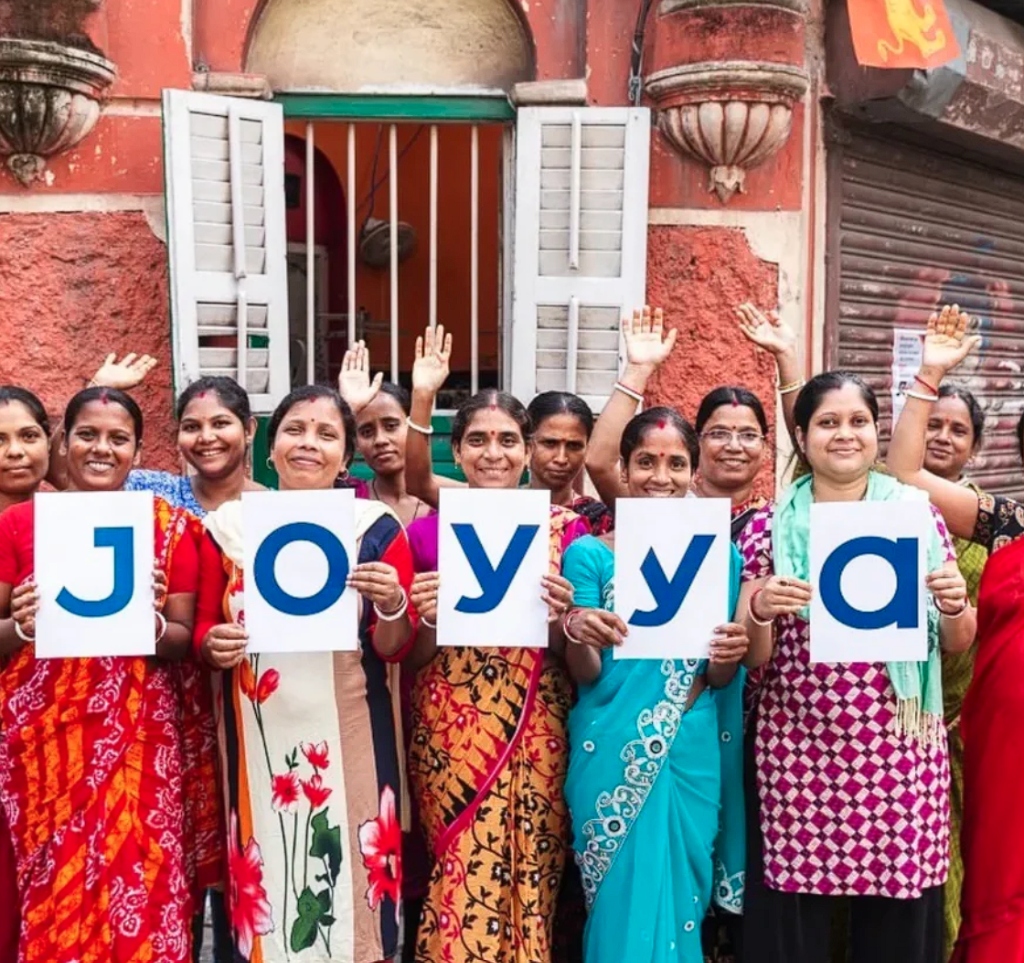
Joyya operates as a charity-owned enterprise, with all operational surpluses and net margins channeled back into community development, healthcare, vocational training, and employment programs. Today, their products directly empower local communities and build generational transformation.
The Transition to Charity Ownership: The Barcodes Limited Story
Another inspiring example of this structure is Barcodes Limited, a globally successful retail barcode provider established in New Zealand in 2009.

To align the business permanently with ethical commerce, the owners transferred 100% of its corporate ownership to the Better World Initiative, a registered charitable trust (CC24980). This structural transfer locked 100% of the company's net commercial margins to fund systemic development. Today, every barcode sold directly supports anti-trafficking efforts in India, youth mentoring in South Africa, clean water projects, and local community grants.
Other Examples of Charity-Owned Businesses
The Profit 4 Good model is active and highly successful across several major legal jurisdictions, each represented by verified profiles in our directory:

New Zealand: Will & Able
Will & Able makes eco-friendly household cleaning products while being 100% owned by the Will & Able Charitable Trust (CC62327). Beyond distributing profits, their entire business model is optimized to create supportive, paid employment opportunities for New Zealanders living with intellectual and physical disabilities.
Australia & United Kingdom: Ansvar Insurance
Operating across Australia and the UK, Ansvar Insurance is a key commercial player in the financial services sector. The company is 100% owned by the Benefact Group, which in turn is wholly owned by the Benefact Trust - a registered independent UK charity. All net margins are distributed to fund community programs, such as youth educational grants in Australia.
Canada: Habitat ReStore
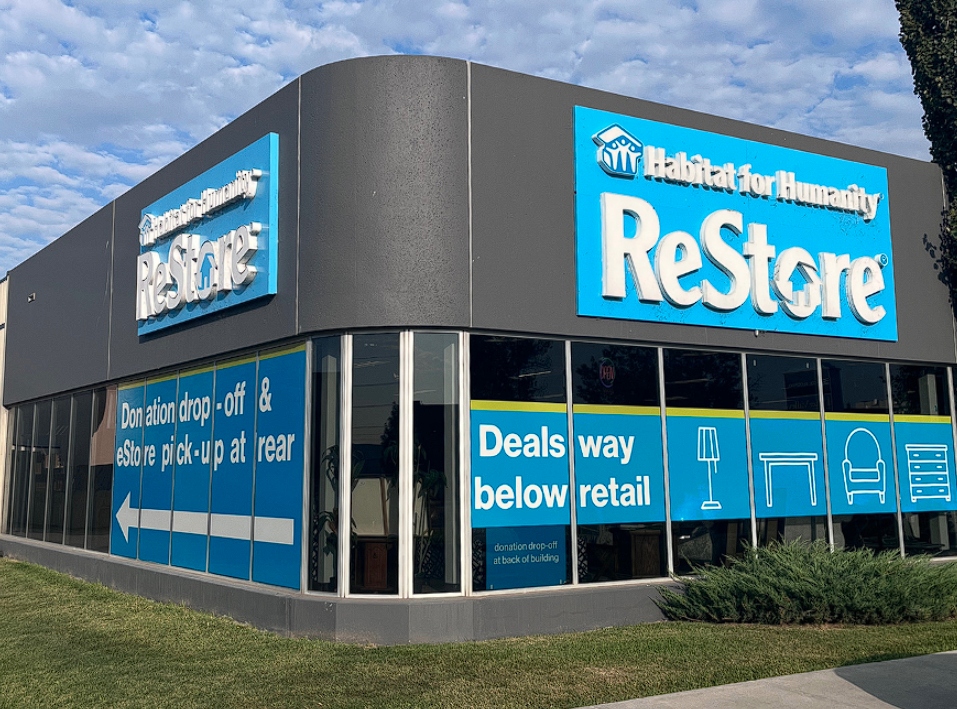
A national chain of home improvement retail stores operated by Habitat for Humanity Canada. Every surplus dollar generated from selling donated furniture and construction materials directly funds home building projects for low-income Canadian families.
Why Structural Lock-in Matters
Unlike certified B Corps or traditional social enterprises, which can still pay dividends to private founders, 100% philanthropic businesses legally remove the private extraction of wealth. They represent the ultimate realization of the Charitable Ownership Advantage (COA), converting everyday marketplace competition into permanent resources for global development.
Explore verified trust-owned listings in our Business Directory or learn about the theoretical backing at the official Project COA Website.