Profit 4 Good Social Enterprises: The Direct Intervention Pathway
How commercial businesses are solving critical social challenges directly through their day-to-day operations.
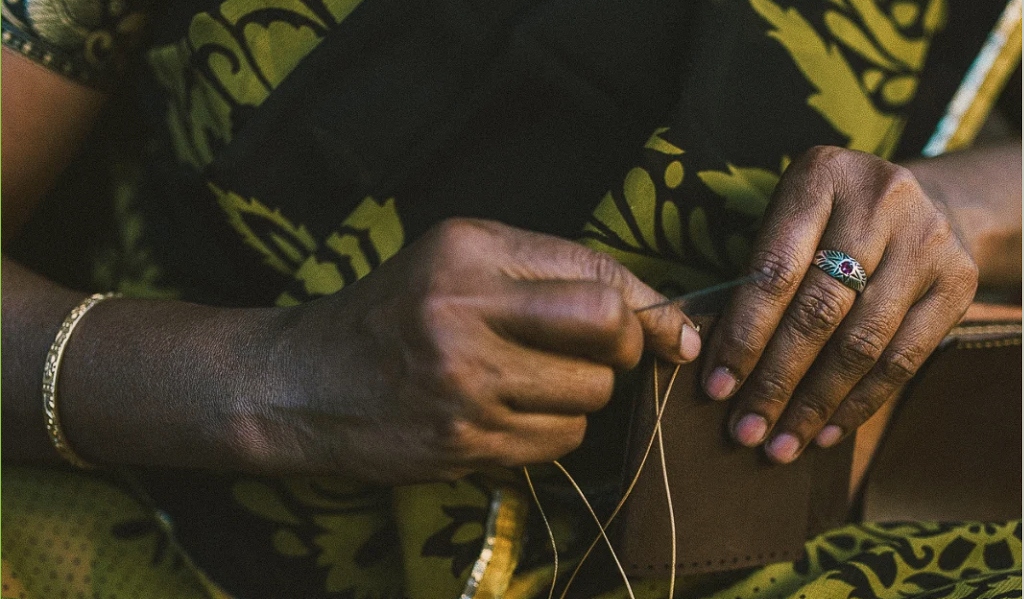
A social enterprise is a commercial business created to solve a specific social problem or meet a community need directly through its day-to-day operations - most commonly by providing stable employment, living wages, holistic support, and job skills training to marginalized or vulnerable groups. Rather than making money to donate profits outward to external third-party charities, the business itself is the social intervention. 100% of net profits and operational surpluses are retained and reinvested back into the company to fund worker benefits, expand local facilities, and hire more people in need.
Typical Focus Areas of Social Enterprises
The impact models of social enterprises usually focus on three core areas:
- Workforce Inclusion & Employment Creation: Hiring individuals facing severe barriers to work (e.g., people exiting human trafficking, people experiencing homelessness, or individuals with disabilities) and offering on-the-job vocational training and living wages.
- Community Capability Building: Providing essential worker benefits like literacy training, financial/budgeting education, healthcare, and group counseling directly on-site.
- Operational Scaling: Reinvesting revenue to expand production capacity so the business can hire more staff and scale its direct social impact.
Stand-Alone Social Enterprise Models
Some social enterprises function as stand-alone commercial businesses, reinvesting 100% of net profits directly into operations, equipment, or hiring from marginalized communities:
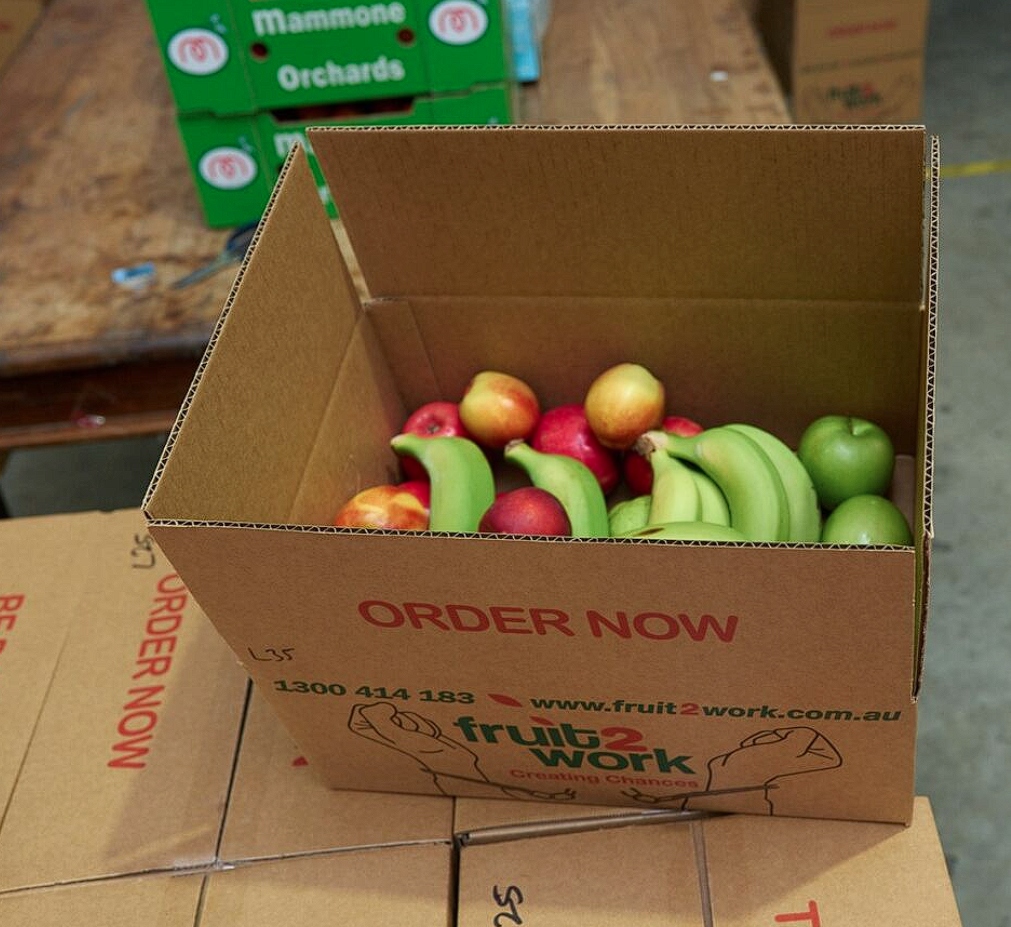
Fruit2Work (Australia): Delivers fresh fruit and milk to workplaces, providing transitional employment and mentoring to individuals impacted by the justice system to reduce recidivism.

The Loyal Workshop (India): Crafts premium handmade leather goods to offer a pathway of freedom to women trapped in the commercial sex trade, funding fair salaries, mental health support, and medical care.

Borneo Bags (Malaysia): Sells hand-woven bags crafted by Penan artisans, providing sustainable income, healthcare, and educational infrastructure to indigenous families.
Charity-Owned Social Enterprise Models
Others choose a charity-owned pathway where the business is legally owned by a registered charitable trust, blending direct employment with a formal asset lock:

Will & Able (New Zealand): Manufactures eco-friendly cleaning products while owned by a charitable trust, creating jobs for people living with disabilities and locking 100% of profits in trust.

Joyya NZ: A NZ-owned social enterprise creating fair employment in Kolkata for women vulnerable to human trafficking and poverty.
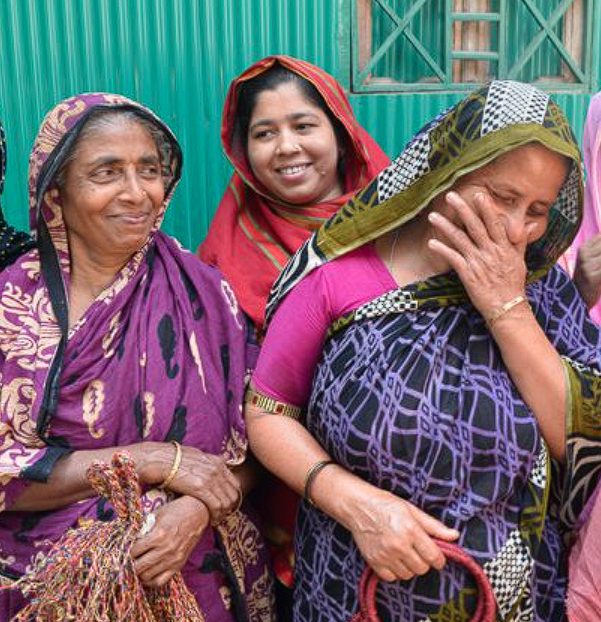
Trade Aid (New Zealand): A pioneering NZ fair-trade organization importing organic food, coffee, handcrafts, and homewares, reinvesting 100% of net profits to support small-scale producers worldwide.
The Reinvestment Guarantee
Whether operating as standalone corporate entities or as charity-owned businesses, the core promise remains identical: no private shareholder profits. Every dollar spent on their products directly finances human transformation, proving that market competition can serve as a robust vehicle for systemic community support.
To discover more social enterprise businesses, search the Business Directory or read about the Charitable Ownership Advantage.